
For a long time, many of us were taught that anger was the danger. That if we were calm enough, soft enough, understanding enough, things would not
For a long time, many of us were taught that anger was the danger.
That if we were calm enough, soft enough, understanding enough, things would not have gone so wrong.
So we learned to swallow it.
We learned to carry the weight quietly.
To translate harm into politeness.
To turn fear into cooperation.
To turn betrayal into “being mature.”
But silence did not protect us.
It trained our bodies to endure what our souls were trying to escape.
Anger arrived later — not as destruction, but as evidence.
Evidence that something in you still knows the truth.
Evidence that your nervous system remembers the line that was crossed.
Evidence that the part of you designed to protect life did not die.
This kind of anger does not mean you are broken.
It means your boundaries are waking up.
It means your inner world is no longer willing to pretend.
It means healing has begun to speak in a voice that refuses to be small.
1. Move it out of the body
Anger is physical energy.
Fast walking
Stomping
Boxing the air
Dancing hard
Cleaning with force
You are not “overreacting.”
You are letting chemistry finish its sentence.
2. Write what you would never send
The letter you don’t mail
The names you don’t say out loud
Then close the notebook.
Relief is the goal. Not perfection.
3. Speak it where it is held with care
One safe person.
One support group.
One therapist.
One sacred circle.
Anger rots in isolation.
It transforms in witness.
4. Build something with it
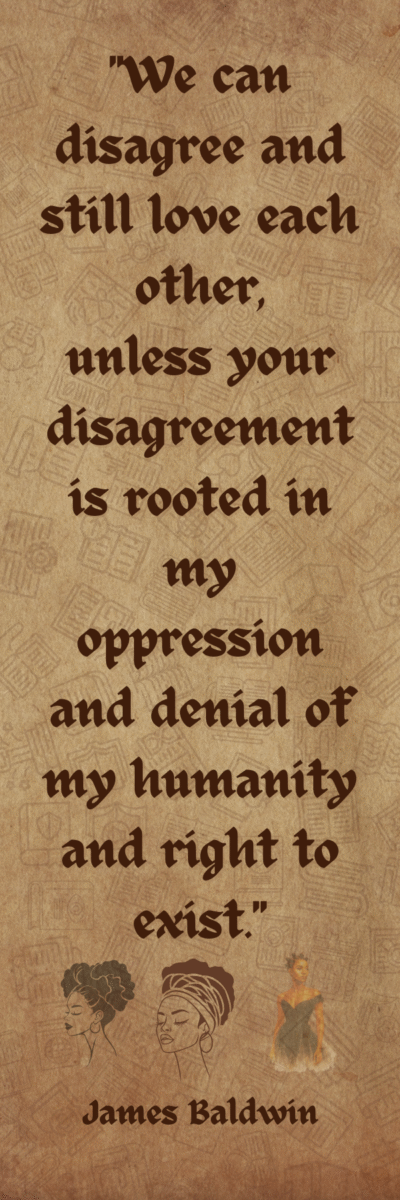
JAMES BALDWIN
Anger is creative fuel.
A manifesto
A project that protects others
You are allowed to turn harm into architecture.
5. Cry while you’re angry
Tears are not weakness.
They are pressure release.
Grief and anger are sisters.
Let them speak to each other.
6. Breathe like you are standing your ground
Slow breath in.
Long breath out.
Not to erase the anger —
but to keep you in charge of it.
Calm is a strategy. Not surrender.
7. Name what was unjust
Say it plainly:
“That was wrong.”
“That crossed a line.”
“That cost me something.”
Clarity stabilizes anger.
Gaslighting makes it dangerous.
8. Protect something vulnerable
Volunteer. Mentor. Advocate. Intervene. Educate.
Anger that defends life becomes dignity.
9. Create physical boundaries
Sometimes anger needs action:
Blocking
Leaving
Refusing
Saying no
Changing access
Distance is not cruelty.
It is medicine.
10. Let anger finish its season
You don’t have to hold it forever.
Anger often comes to:
teach
warn
strengthen
prepare
When its work is done, it softens.
Not into silence —
but into self-trust.
This kind of anger does not mean you are broken.
It means your boundaries are waking up. (Good morning)
It means your inner world is no longer willing to be fake it.
It means healing has begun to speak in a voice that refuses to be small.
And that voice is not your enemy.
It is the sound of your life choosing itself.