At We Survive Abuse, we talk a lot about truth, survival, and the power of reclaiming your story. But what if I told you that even the stories we wa
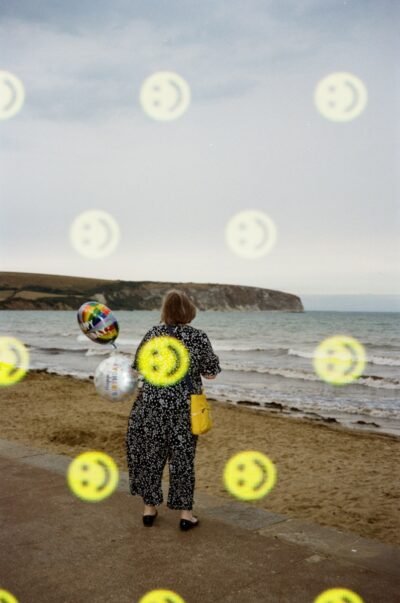
Photo by Annie Spratt/unsplash.com
At We Survive Abuse, we talk a lot about truth, survival, and the power of reclaiming your story. But what if I told you that even the stories we watch—on screens big and small—are quietly shaping how we see ourselves as women and Survivors?
Let’s talk about narrative control. Not just in the obvious sense—like who gets to speak, who gets justice, who gets love—but in the sneaky, behind-the-scenes way it happens.
You’ve probably heard how Apple won’t let villains in movies use iPhones. Sounds silly, right? But it’s real. It’s called product placement control. Brands don’t just pay to have their stuff in movies—they demand control over how, when, and by whom it’s used. No bad guys. No illegal behavior. No mess.
Now take that same idea, and look at how women are portrayed in media.
We’re often shown as caregivers, never the center.
We’re rarely allowed to be angry without punishment.
Our beauty is staged. Our strength must be soft. Our pain is stylized.
If we survive something traumatic, we are often either pitied… or erased.
This isn’t just storytelling—it’s social programming.
🧠 What Messages We Absorb Without Thinking
We’re not just watching characters—we’re learning:
What “good” or “beautiful” looks like
Who gets to be smart or powerful
Who gets punished for being “too loud,” “too angry,” “too sexual,” or “too ambitious”
📺 Who Women Get to Be on Screen
Women are more likely to be shown as love interests, caregivers, assistants, or victims.
Strong, complex female characters often come with rules: they must still be “likable,” attractive, or emotionally available to others.
🧃 Like Brands, Female Characters Are Managed
Female heroes may still wear makeup while fighting aliens—because of “beauty expectations” (Think about that when you see/hear misogynists bully female human beings about not appearing a certain way and therefore not being “real women”.)
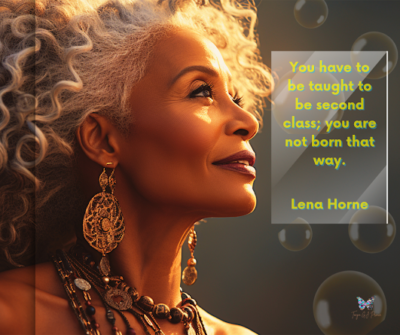
Older women are often erased or minimized—unless they fit the “wise grandma” or “elegant lady” mold (Which is why some people run through the fields thinking older women are unwanted. 😆 . You fell for that?!)
💥 The Impact?
Over time, these subtle messages add up. They teach us what women should be, how they should look, what they should want, and how they should behave—even when it doesn’t match real life.
 The same way companies protect their brand image in a movie, society protects its comfort by deciding what kind of women get to be “good,” “redeemable,” or “deserving of peace.”
Too loud? Too independent? Too dark? Too old? Too scarred? Too angry?
You get moved to the margins. Sometimes, completely offscreen.
Daily. Women and girls are persuaded, coaxed, pushed, and forced to get into someone’s box.
That’s narrative control. And it’s everywhere.
But here’s the truth they can’t hide: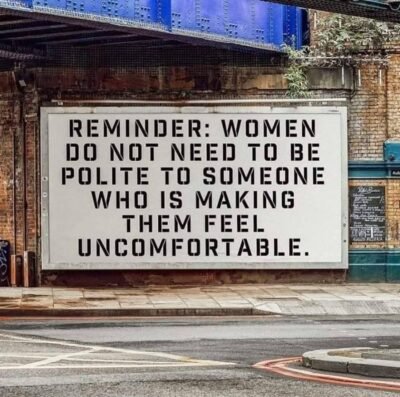 We are the main characters.
We’ve lived through plot twists that would break most people.
We are not weak because we’re healing.
We are not shameful because we’ve survived.
We are not broken because we refuse to shrink.
At We Survive Abuse, we see through the illusions. We teach girls and women—and all Survivors—how to read between the lines, to unlearn the lies, and to reclaim the pen.
Because the most powerful story ever told about a Survivor… will be the one she tells herself.
🖤 “I don’t owe softness to the systems that crushed me. My healing can be thunder.”
👁️ “Let them watch. I’m not hiding the fire I built from my own ashes.”
🧬 “I am the one my bloodline prayed for. The cycle ends with me because I said so.”