Previous generations of women had different concerns because they had fewer options. Let’s start there.Many of our grandmothers and great-gra
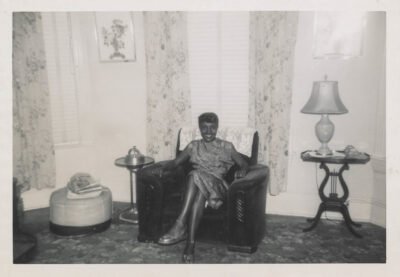
African American woman sitting in a leather chair
Previous generations of women had different concerns because they had fewer options.
Let’s start there.
Many of our grandmothers and great-grandmothers didn’t compare notes with one another the way we do now.
They could not.
Safety and silence were the price of survival.
They often did not have the option to leave, to separate and maintain boundaries, to divorce, to start over.
Especially minoritized women.
Black women.
Black people in general struggle to get loans from lending and credit institutions today. TODAY.
Imagine yesterday.
The math of escape rarely added up to freedom.
So when men glorify the “good old days,” when they say,
“My grandmother stayed,”
what they’re really celebrating is that she had to.
They glorify that she stayed silent.
That she endured.
That she carried the weight of everyone’s survival on her back.
But notice what they don’t say.
They don’t say,
“My grandmother was cherished.”
“My grandmother was adored.”
“She was cared for, spoiled, protected, honored.”
They don’t say her joy mattered.
Her needs mattered. Her wants mattered.
Her words mattered. Her living mattered.
They don’t describe love — they describe labor.
So when you hear that kind of nostalgia, know this:
they aren’t praising her freedom;
they’re praising her containment.
And baby — if that’s the model they offer you?
Girl, run.